
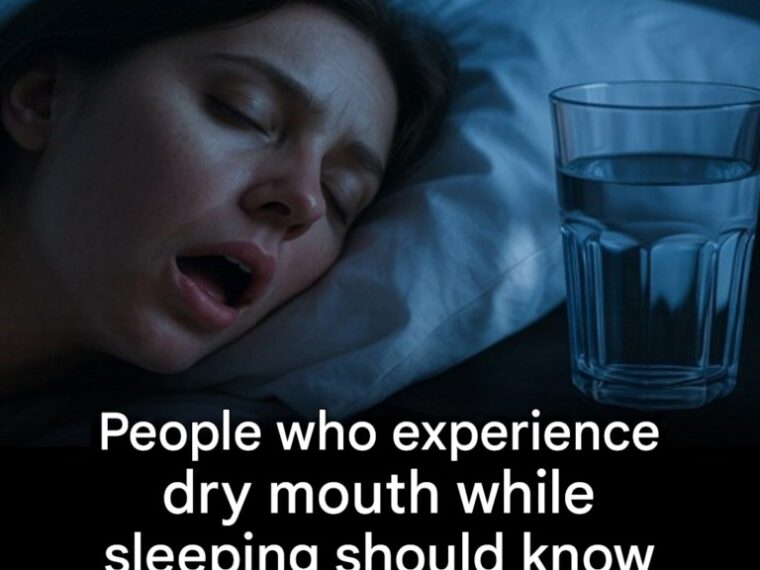
Waking up in the middle of the night with a dry mouth can be uncomfortable and frustrating. Many people experience this problem without realizing that it may be caused by everyday habits or underlying health conditions. Dry mouth during sleep, medically known as Xerostomia, occurs when the body does not produce enough saliva to keep the mouth properly hydrated.
Saliva plays a crucial role in maintaining oral health. It helps wash away bacteria, keeps the mouth moist, aids digestion, and protects teeth from decay. When saliva production decreases at night, the mouth becomes dry, which may lead to discomfort, bad breath, and long-term dental issues if the problem continues.
If you frequently wake up feeling thirsty or with a dry throat, understanding the possible causes can help you find the right solution.
Why Dry Mouth Happens During Sleep
During sleep, the body naturally produces less saliva. However, certain habits and health conditions can reduce saliva even more. When this happens, the mouth becomes dry and uncomfortable, especially if breathing occurs through the mouth rather than the nose.
Many people only notice the problem when they wake up in the morning with a sticky feeling in their mouth or a sore throat.
8 Common Reasons for Dry Mouth While Sleeping
1. Sleeping With Your Mouth Open
One of the most common reasons for nighttime dry mouth is sleeping with your mouth open. When the mouth remains open for long periods, saliva evaporates more quickly, leaving the tongue and throat dry.
This can happen if you sleep on your back, have nasal congestion, or naturally breathe through your mouth during sleep.
2. Dehydration
Not drinking enough water during the day can significantly reduce saliva production at night. When the body lacks proper hydration, it cannot produce enough fluids, including saliva.
Dehydration may also cause symptoms such as fatigue, headaches, and dry skin.
3. Nasal Congestion or Allergies
A blocked nose caused by allergies, colds, or sinus problems often forces people to breathe through their mouths during sleep. Mouth breathing increases airflow over the tongue and throat, which can quickly dry out the mouth.
Clearing nasal passages can often help reduce this issue.
4. Certain Medications
Many medications list dry mouth as a common side effect. These may include drugs used to treat allergies, depression, anxiety, high blood pressure, and pain.
These medications can affect the salivary glands and reduce the amount of saliva produced during the night.
5. Snoring or Sleep Apnea
TO CONTINUE READING THE ARTICLE PLEASE SEE PAGE 2