7. Add a Layer of Leaves to Protect Bare Soil

Fallen leaves can be valuable garden material rather than waste. Shred them and spread a thin layer over bare soil or around established plants. They help protect the soil surface and gradually break down into organic matter. Avoid piling wet leaves tightly against stems, and use healthy leaves rather than diseased plant material.
8. Group Plants with Similar Water Needs

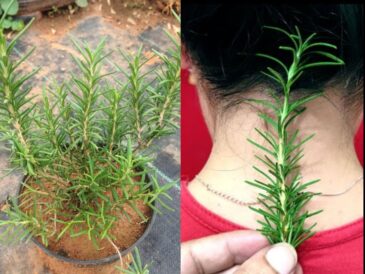
Arrange plants with similar watering requirements together. For example, thirsty leafy greens may need more frequent watering than drought-tolerant herbs such as rosemary. Grouping plants this way makes watering easier and reduces the risk of accidentally overwatering some plants while underwatering others.
9. Use Plant Labels to Avoid Confusion

It’s surprisingly easy to forget what you planted, especially when several seedlings look alike. Use wooden sticks, reusable plastic labels, or smooth stones marked with plant names. Add the sowing date too, and you’ll have a simple record of what is growing and when it should be ready for transplanting.
10. Give Plants the Right Amount of Sunlight

Before planting, check how much sunlight each spot receives throughout the day. Fruiting vegetables such as tomatoes generally need plenty of direct sun, while some leafy greens and ornamental plants tolerate partial shade. Matching plants to the right location can prevent weak growth and reduce the need to move struggling plants later.
11. Clean and Reuse Old Plant Pots

Don’t throw away pots just because a plant has finished growing. Empty them, remove old roots, and wash them with soap and water before reusing them. Cleaning containers helps reduce the spread of pests and plant diseases. Make sure every pot has adequate drainage holes so excess water can escape.
12. Make a Natural Weed Barrier with Cardboard

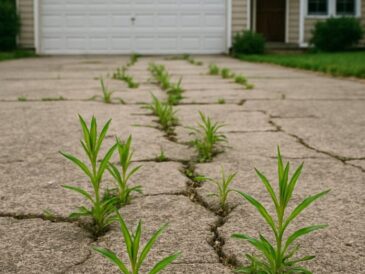
Plain, uncoated cardboard can help suppress weeds in garden paths or beneath mulch. Remove tape, labels, and staples, lay the cardboard over the soil, wet it thoroughly, and cover it with mulch. Leave openings around existing plants, and avoid cardboard with glossy coatings or heavy printing.
13. Prune Dead and Damaged Growth

Removing dead, broken, or diseased stems can improve a plant’s appearance and help limit the spread of some diseases. Use clean, sharp pruning shears and research the needs of each plant before cutting. Timing matters: some flowering shrubs, for example, bloom on older wood and can lose next season’s flowers if pruned at the wrong time.
14. Grow Herbs in Small Containers

You don’t need a large garden to grow useful herbs. Basil, parsley, mint, and other suitable herbs can thrive in containers when given the right light, soil, and watering. Grow mint in its own pot because it spreads aggressively. Keep containers near your kitchen for easy access when cooking.
15. Keep a Simple Gardening Journal

One of the most underrated gardening hacks is keeping track of what works. Record planting dates, watering routines, weather conditions, pest problems, and harvests. Over time, your notes will help you identify successful varieties, avoid repeating mistakes, and adapt your garden to your local climate.
Final Thoughts
Successful gardening doesn’t have to mean buying expensive equipment or spending hours outdoors every day. Small habits—such as mulching, composting, watering wisely, and choosing the right plants for your space—can make a real difference.
Start with two or three hacks that suit your garden, observe the results, and build from there. The best gardening tricks are the ones that work for your plants, your climate, and your available time.
Gardening tip: Different plants have different needs, so adapt these hacks to your soil, weather, and plant varieties. For additional guidance on watering, mulching, and starting seeds, consult the University of California’s beginner’s guide to growing vegetables and the University of New Hampshire’s guide to getting started with gardening.