
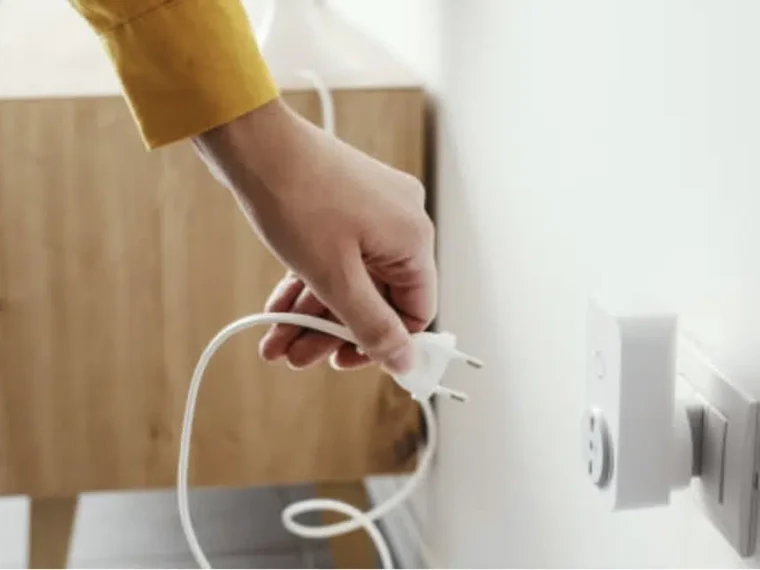
We live in a world surrounded by gadgets and electronics. From the television in the living room to the coffee maker on the kitchen counter, our homes are filled with devices that make everyday life easier.
But there is one thing many people don’t realize:
Some of these appliances can continue using electricity even when you’re not actively using them.
That means the television you haven’t watched all day, the charger sitting beside your bed, and the game console nobody has touched since yesterday may still be drawing a small amount of power simply because they remain plugged into the wall.
This phenomenon is commonly known as standby power, phantom load, or vampire power.
So, does unplugging appliances actually save electricity?
The short answer is yes.
But the amount you save depends heavily on the appliance, how long it remains plugged in, and how much electricity it consumes while in standby mode.
Understanding which devices are worth unplugging can help you avoid unnecessary energy use without turning your daily routine into a never-ending battle with electrical cords.
⚡ What Is “Vampire Power”?
When you switch off an electronic device, you might assume it has stopped consuming electricity completely.
Sometimes it has.
But many modern electronics aren’t truly disconnected from the electrical supply when you press the power button.
Instead, they enter a low-power or standby state.
A television, for example, may remain partially powered so that it can respond to a remote control. A smart speaker needs some electricity to remain connected and ready for commands. A game console may maintain network connectivity or download updates. A microwave may continue powering its digital clock.
Even chargers can consume small amounts of electricity when they’re plugged in without actively charging a device.
Individually, these loads may be tiny.
But when you have dozens of devices around your home, those small amounts can accumulate.
🧛 Why Is It Called “Vampire” Electricity?
The nickname is pretty fitting.
These devices aren’t necessarily consuming huge amounts of electricity, but they’re quietly drawing power in the background without you thinking about it.
You aren’t getting any useful work from that electricity, yet your home is still consuming it.
Imagine leaving a faucet dripping very slowly for an entire year. One drop doesn’t seem important, but the accumulated amount is considerably larger.
Standby electricity works in a similar way.
💰 How Much Can You Actually Save?
This is where things become more interesting.
Older estimates sometimes suggested that standby power could represent around 10% of residential electricity consumption. However, the exact percentage varies considerably from household to household, and modern electronics have generally become more efficient.
Some devices use almost nothing when they’re sitting idle.
Others can consume noticeably more, particularly older electronics, equipment with displays, networking equipment, or devices that remain connected and ready to perform functions.
So don’t expect your electricity bill to be cut in half simply by unplugging a few chargers.
Instead, think of unplugging as one small energy-saving habit that can add up over time.
The easiest way to find out which devices matter in your own home is to use an electricity monitor or smart plug that measures power consumption.
You may be surprised by what you discover.
🔌 Which Appliances Are Worth Unplugging?
You don’t need to unplug everything in your house.
In fact, doing so would be impractical and could interfere with appliances that need to remain powered.
Instead, concentrate on electronics that:
- Spend long periods unused
- Consume power in standby mode
- Are easy to unplug
- Don’t need to maintain a constant connection
- Are used only occasionally
📺 Television
Modern televisions generally use very little electricity when switched off, but many remain in standby mode.
If you are going away for several days or don’t need the television connected to the power supply, unplugging it can eliminate its standby consumption.
The same applies to soundbars, streaming devices, DVD players, and other equipment connected to your entertainment system.
🎮 Game Consoles
Game consoles can be particularly interesting because some remain partially active even when you aren’t playing.
Depending on the settings, a console may maintain network connectivity, download updates, or support other standby features.
If you don’t need those functions, completely powering down the console—or disconnecting it from the outlet when you’re finished for a long period—can reduce unnecessary consumption.
🔋 Chargers
A phone charger that is plugged into the wall without a phone connected generally uses very little power with modern chargers.
Still, there’s no particular benefit to leaving unnecessary chargers plugged in indefinitely.
If you have a collection of old chargers, laptop adapters, tablet chargers, and other power supplies scattered throughout your home, unplugging them when they’re not needed is an easy habit.
☕ Coffee Makers
Some coffee makers have digital clocks, timers, displays, warming functions, or other electronics that remain active after brewing.
If you only use yours once in the morning, keeping it powered continuously may not be necessary.
Unplugging it after use can eliminate standby consumption.
🍞 Toasters and Small Kitchen Appliances
A simple toaster generally doesn’t consume significant standby power if it has no electronic controls.
However, newer appliances with digital displays, touch controls, clocks, or smart features may consume some electricity even when they aren’t actively operating.
These are good candidates for switching off or unplugging when convenient.
🧊 What Should You NOT Unplug?
continue reading in page 2