
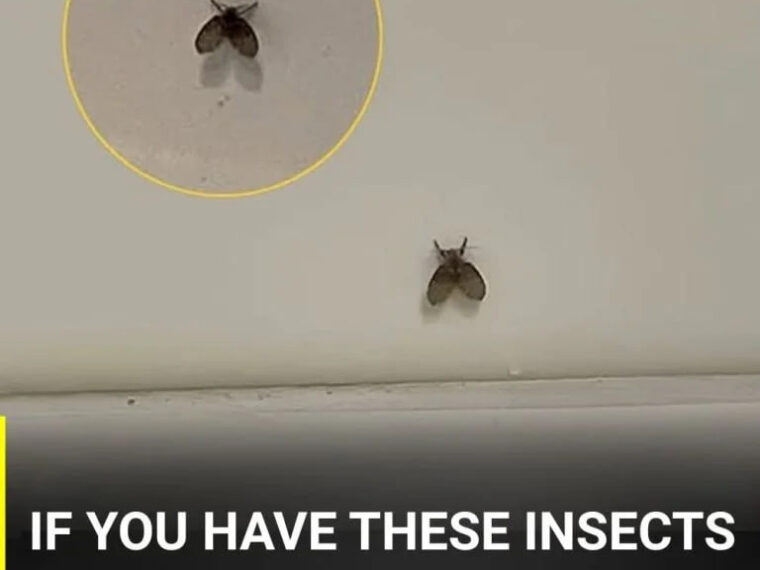
Drain flies may look harmless, but their repeated appearance can be a sign that moisture and organic buildup are accumulating somewhere in your plumbing. These tiny insects thrive in damp environments where they can find the slimy layer of bacteria, fungi, and decomposing organic matter that develops inside drains.
The good news is that preventing drain flies usually doesn’t require expensive products or complicated treatments. A few consistent cleaning habits and some attention to moisture can make a significant difference.
Start by cleaning bathroom and kitchen drains regularly, paying particular attention to the edges of the drain opening and the underside of the drain cover, where grime can accumulate unnoticed. A drain brush can help remove the organic film that ordinary rinsing may leave behind. Simply pouring water down the drain may not be enough because the insects can continue breeding in the residue attached to the pipe walls.
It’s also important to address moisture around sinks, showers, and bathtubs. Repair dripping faucets, wipe away standing water, and make sure your bathroom has adequate ventilation. Running an exhaust fan or opening a window after showering can help reduce excess humidity and allow wet surfaces to dry more quickly.
If you have drains that are rarely used, such as those in a guest bathroom or basement, check that their water traps haven’t dried out. These traps normally hold water that helps prevent sewer gases and insects from entering the home. Refilling a dry trap may help, although persistent insect problems can have other causes that require investigation.
For ongoing prevention, inspect areas beneath sinks and around plumbing connections for dampness or leaks. Even a small leak can create the moist conditions drain flies need to thrive.
Avoid relying exclusively on chemical drain cleaners. These products may not remove the buildup where drain flies reproduce, and some can damage plumbing or create hazardous reactions when mixed with other cleaners. Never mix bleach, ammonia, or different drain-cleaning products.
When to Call a Professional
continue reading in page 2


