
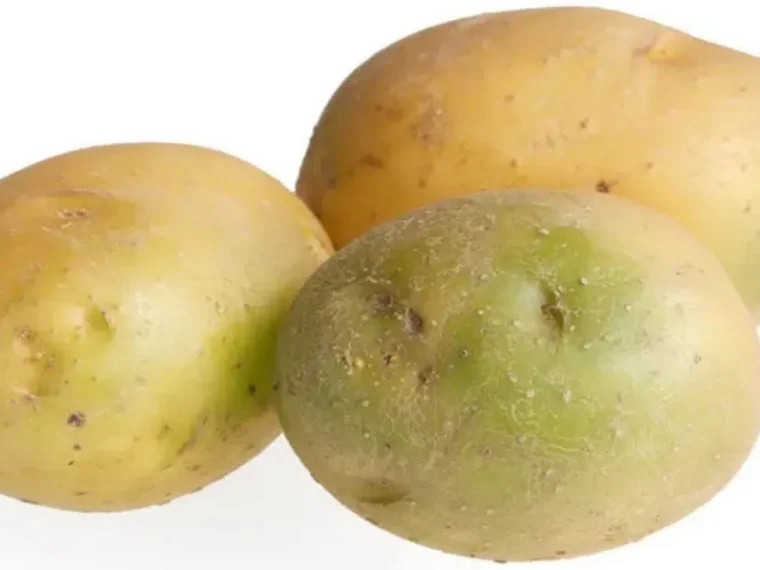
Have you ever reached into your pantry, grabbed a potato, and noticed that parts of its skin had turned green? Many people simply cut away the green areas and continue cooking, while others throw the potato away without knowing why. But what do those green spots actually mean? Are they harmless, or could they be a warning sign?
The answer may surprise you.
Why Do Potatoes Turn Green?
A potato develops green patches when it is exposed to light for an extended period. Whether it’s sitting on a kitchen counter, in a grocery store under bright lights, or stored improperly at home, exposure to light triggers the production of chlorophyll—the same green pigment that gives plants and leaves their color.
Chlorophyll itself is completely harmless and does not change the taste or safety of the potato. However, its appearance often signals that something else may be happening beneath the surface.
The Hidden Concern: Solanine
When potatoes are exposed to light or become damaged, they may also produce higher levels of solanine, a naturally occurring compound that helps protect the plant from insects, fungi, and animals.
Unlike chlorophyll, solanine can be harmful if consumed in large amounts.
High concentrations of solanine are usually found in:
- Green areas of the potato
- Sprouts (“eyes”)
- The skin, especially if it is heavily green
- Potatoes that have been stored for too long
The greener the potato, the greater the chance that solanine levels have increased.
Is It Dangerous?
Most slightly green potatoes are not likely to cause serious harm, especially if only a small area is affected and you remove it before cooking.
However, eating potatoes with extensive green discoloration or many sprouts may increase your intake of solanine.
Consuming excessive amounts can lead to symptoms such as:
- Nausea
- Vomiting
- Stomach cramps
- Diarrhea
- Headache
These symptoms are uncommon but can occur if a significant amount of solanine is ingested.
Can Cooking Remove Solanine?
Unfortunately, no.
Boiling, baking, frying, microwaving, or roasting potatoes does not reliably destroy solanine because it is relatively heat-stable at normal cooking temperatures.
That means it’s important to inspect potatoes before cooking rather than relying on heat to make them safe.
When Is It Safe to Eat?
You can usually use a potato if:
- Only a small section is green.
- There are very few sprouts.
- The potato is still firm.
- It has no unpleasant smell.
Simply peel the potato generously, remove the green portions and any sprouts, and discard those pieces.
When Should You Throw It Away?
It’s best to discard the potato if:
- Large portions are green.
- It has many long sprouts.
- It feels soft, shriveled, or wrinkled.
- It has mold or an unusual odor.
- It tastes unusually bitter after cooking.
When in doubt, it’s safer to replace it than risk eating a potato with elevated solanine levels.
How to Prevent Potatoes from Turning Green
Proper storage can help keep potatoes fresh for much longer.
Here are a few simple tips:
- Store them in a cool, dark, and dry place.
- Keep them away from direct sunlight.
- Avoid storing them near windows or under bright kitchen lights.
- Use a paper bag, cardboard box, or breathable basket instead of a clear plastic bag.
- Keep potatoes away from onions, as onions release gases that can encourage sprouting.
Does Every Green Potato Contain Solanine?
Not necessarily.
The green color comes from chlorophyll, while solanine is a separate compound. However, both tend to increase under the same conditions—especially exposure to light. That’s why green coloring is considered a useful warning sign, even though the amount of solanine cannot be determined just by looking at the potato.
Final Thoughts
A green potato isn’t automatically dangerous, but it shouldn’t be ignored either. The green color itself is simply chlorophyll, yet it often indicates that the potato may contain higher levels of solanine, a natural plant compound that can cause digestive symptoms if eaten in large quantities.
The safest approach is simple: trim away small green areas and sprouts from otherwise healthy potatoes, but discard any potato that is heavily green, bitter, soft, or badly sprouted. With proper storage in a cool, dark place, you can help prevent potatoes from turning green and keep them fresh for weeks.