Don’t Leave Wet Towels Hanging Forever
Bathrooms are already the most humid room in most homes.
Leaving damp towels hanging there all day only adds even more moisture to the air.
Wet towels can become breeding grounds for:
- Mildew
- Musty odors
- Bacteria
- Mold spores
Whenever possible:
- Spread towels out fully.
- Allow plenty of airflow.
- Wash towels regularly.
- Replace them if they develop persistent odors.
A towel that never fully dries never truly becomes clean.
Wet Clothes Don’t Belong in the Bathroom Either
Many people hang freshly washed clothes in the bathroom thinking they’ll dry naturally.
Unfortunately, bathrooms usually aren’t ideal drying spaces.
Instead of helping clothes dry, excess humidity often slows evaporation.
This can leave fabrics smelling damp or musty.
A laundry room, balcony, drying rack near an open window, or well-ventilated area is usually a much better choice.
What About Electric Appliances?
Hair dryers, electric toothbrush chargers, curling irons, and electric razors all dislike moisture.
While modern devices include important safety features, constantly storing electronics in a humid bathroom can shorten their lifespan.
Humidity can contribute to:
- Corrosion
- Rust
- Damaged electronics
- Reduced battery life
- Mineral buildup
Whenever possible, unplug appliances after use and store them somewhere dry.
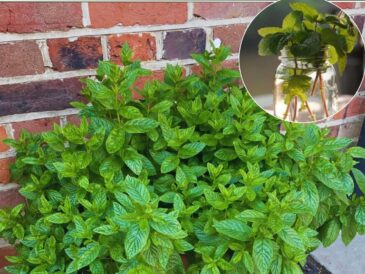
Should You Keep Plants in the Bathroom?
Social media has made bathrooms full of tropical plants incredibly popular.
Some species genuinely love humid environments.
Others absolutely don’t.
Plants that often tolerate bathroom humidity include:
- Spider plants
- Peace lilies
- Certain ferns
- Pothos
- Philodendrons
However, even humidity-loving plants still need:
- Adequate light
- Air circulation
- Proper drainage
Without enough light, excessive moisture can lead to yellow leaves, fungal problems, or root rot.
How to Reduce Bathroom Humidity
Keeping humidity under control doesn’t require expensive renovations.
Small habits make a noticeable difference.
Try these tips:
- Run the exhaust fan after every shower.
- Open a window whenever weather allows.
- Wipe water from shower walls and glass.
- Leave the shower curtain fully extended so it dries quickly.
- Wash bath mats regularly.
- Dry wet towels completely.
- Fix leaking faucets promptly.
- Repair damaged caulking.
- Clean mold as soon as it appears.
These simple steps help protect your bathroom while improving overall indoor air quality.
Signs Your Bathroom Is Too Humid
If you notice any of these warning signs, excess moisture may be lingering too long:
- Peeling paint
- Black spots around grout
- Mold on ceilings
- Condensation lasting for hours
- Musty smells
- Damp walls
- Soft drywall
- Rusty fixtures
- Yellow ceiling stains
Ignoring these problems can eventually lead to more expensive home repairs.
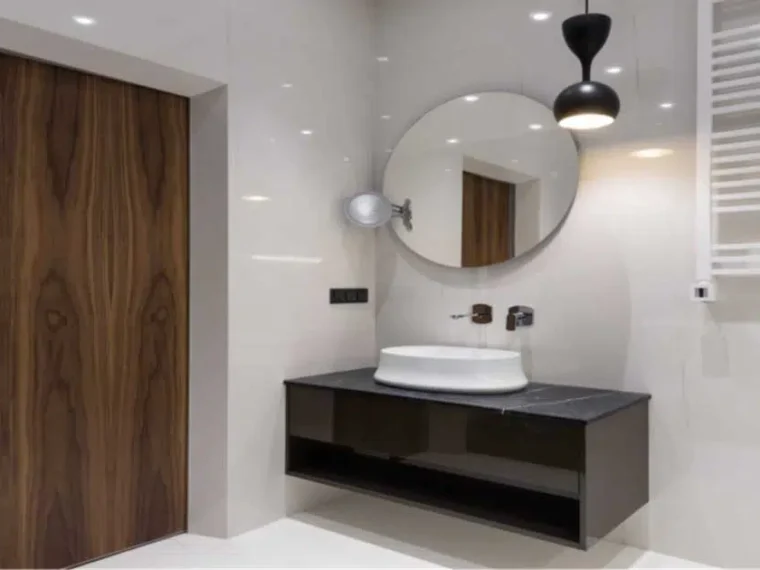
So… Should the Door Stay Open or Closed?
The answer depends on your bathroom’s ventilation.
If you have a good exhaust fan, it’s usually best to keep the door mostly closed while the fan removes humid air outdoors. This helps prevent moisture from drifting into the rest of the house.
If your bathroom doesn’t have a fan, opening the door—and a nearby window if possible—can improve airflow and help moisture escape more quickly.
In either case, the goal isn’t simply opening or closing the door.
The goal is reducing humidity as efficiently as possible.
Frequently Asked Questions
Is it bad to leave the bathroom door open after every shower?
Not necessarily. In homes without good ventilation, opening the door can improve airflow. However, if the humid air spreads into poorly ventilated rooms, it may contribute to moisture problems elsewhere.
Does steam cause mold?
Steam itself doesn’t create mold, but consistently damp surfaces provide ideal conditions for mold and mildew to grow.
How long should I run the bathroom fan?
Around 20–30 minutes after showering is commonly recommended to help remove excess moisture.
Can high humidity damage my home?
Yes. Over time, excess moisture can contribute to peeling paint, warped wood, damaged drywall, mildew, mold, and other maintenance issues.
The Bottom Line
Whether you leave the bathroom door open or closed after a shower matters less than how effectively moisture is removed from the room.
A well-ventilated bathroom stays cleaner, smells fresher, and is far less likely to develop mold, mildew, or long-term water damage. Running an exhaust fan, opening a window when possible, drying wet surfaces, and avoiding piles of damp towels all work together to protect your home.
The next time you step out of a hot shower, don’t think of the bathroom door as just another habit. Think of it as part of a simple routine that helps maintain healthier indoor air, protects your home from excess humidity, and keeps your bathroom fresh for years to come.