
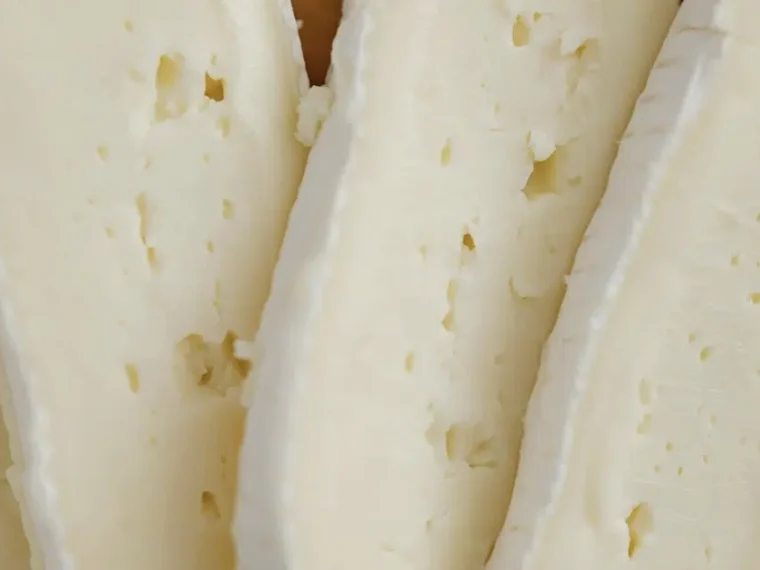
While many rinds are edible, there are certainly some that were never meant to be consumed.
Wax rinds are perhaps the easiest to identify. Wax rinds serve as a protective barrier to keep the cheese fresh throughout the storage and transportation phases. A very common question people have is whether wax rinds are edible or if they need to be removed. The answer is clear, no, they are not edible.
Cloth or bandage rinds are another non-edible rind. Traditionally, cheddar cheese is sometimes aged while wrapped in cloth. After a period of time, the cloth becomes a part of the rind layer; however, it was never meant to be consumed. Typically, cheesemongers will trim the cloth rind layer prior to selling the cheese.
Synthetic coatings (plastic) are also commonly found on the cheeses sold in supermarkets. These are simply a type of packaging that protects the cheese from damage during transportation and storage. If the outer rind layer has a rubbery feel, a glossy sheen or appears artificial, I always remove it.
To determine if a rind is edible or not, I use the following rule: if the rind feels like plastic, wax or fabric, it is not part of the cheese.
Are Edible Cheese Rinds Safe to Consume?
For the vast majority of consumers, edible cheese rinds pose no risk to health. The molds used in cheesemaking are specifically selected and are vastly different from the molds that cause spoilage on rotten foods.
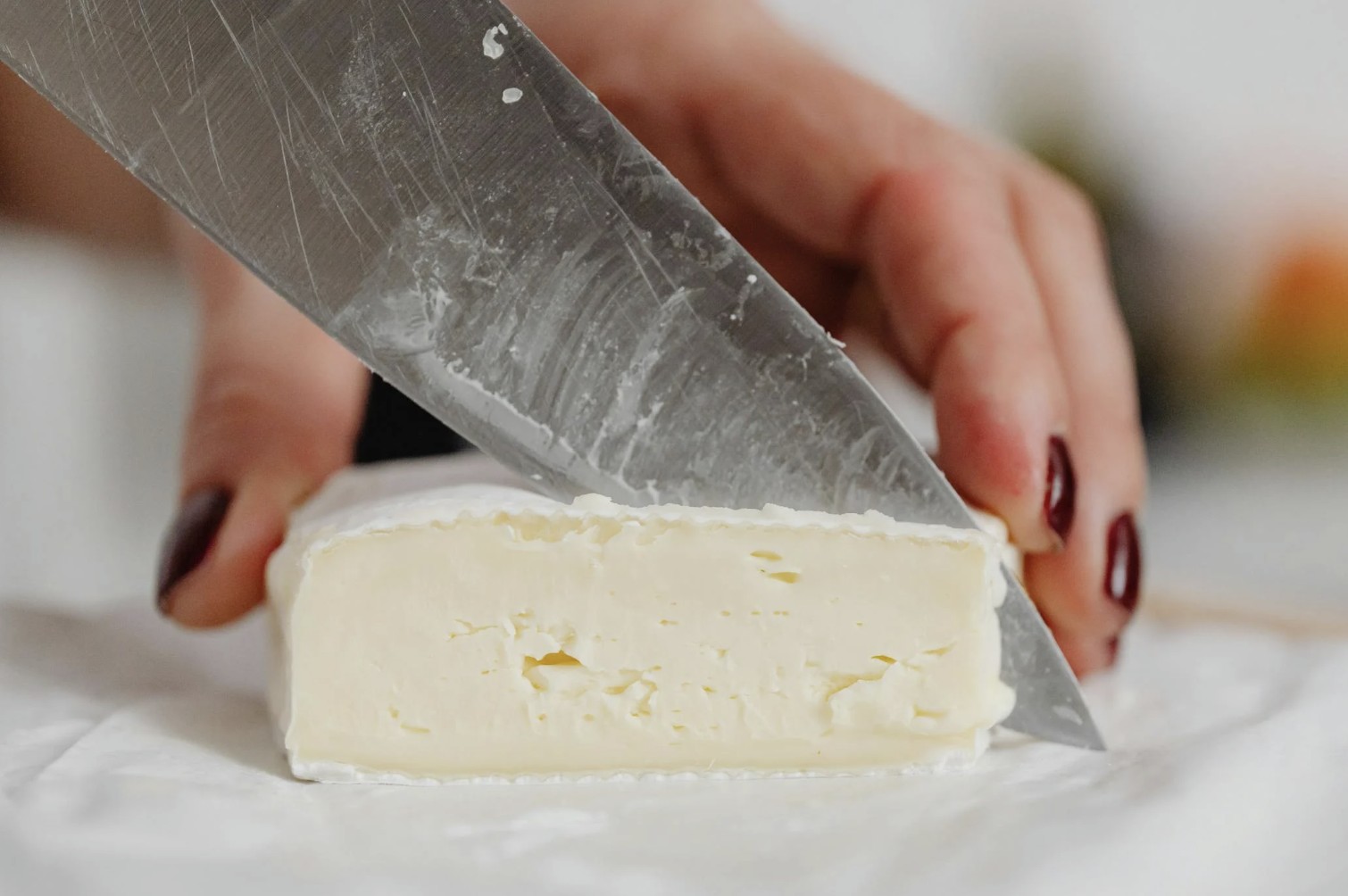
As the cheese ages, the rind plays a major role in developing the flavor, aroma and texture of the cheese that ultimately define the characteristics of the cheese. Therefore, when someone asks me, “what types of cheese rinds are edible,” the answer is usually dependent on the method in which the cheese was aged, not necessarily on safety.
That being said, there are certainly some individuals who may choose not to eat rinds either due to taste or texture preferences or due to sensitivities to molds. Additionally, people with certain immune system disorders may choose to remove rinds purely as a precautionary measure.
If you are ever unsure whether a particular cheese has edible rinds, your safest bet would be to ask a cheesemonger. They usually know which types of cheese rinds are edible.
How Do I Determine Whether or Not to Eat the Rind?
Over time, I have developed a fairly simple and straightforward routine when I am tasting a new cheese for the first time. The first step is to visually examine the rind. If the rind appears to be a natural, bloomy or slightly wrinkly from aging, chances are it is edible.
The second step is to touch it. If the rind has a waxy feel, a rubbery feel or is excessively hard, I tend to trim it away.
Thirdly, I take a sniff. Rinds can hold a tremendous amount of aroma which can give you hints on the overall flavor profile.
Finally, I take a small taste. Many chefs suggest eating cheese and rind together since the flavors complement each other well. I think you’ll find that this is an absolute truth.
Should You Eat Cheese Rinds?
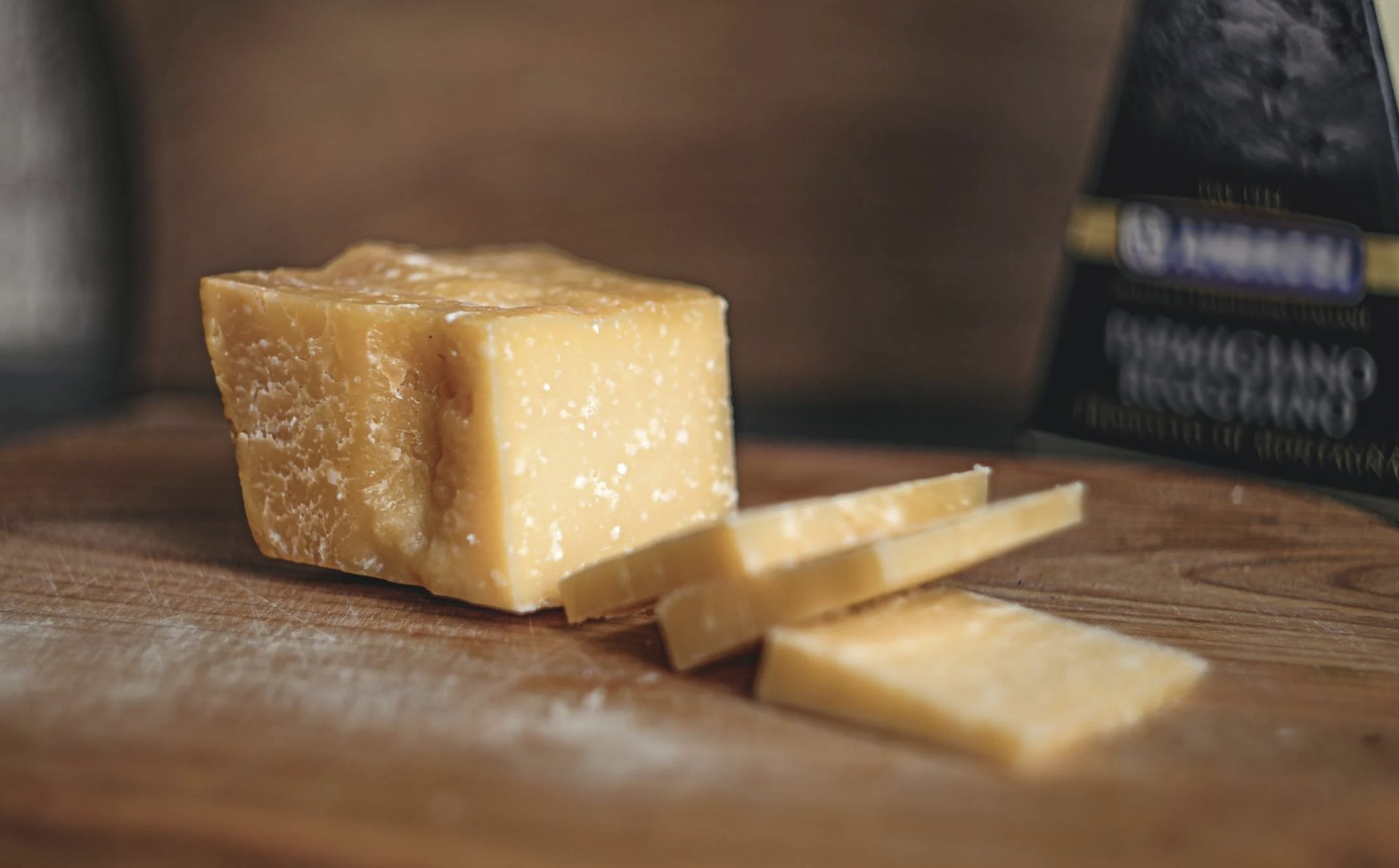
So, can you eat cheese rinds? In many cases, yes, and in many cases, the rind can be the best part of the cheese. Bloom rinds, wash rinds and natural rinds can all contribute to the development of the flavor of the cheese. On the other hand, wax rinds, cloth rinds and plastic rinds should be removed. Once I understood the differences between edible rinds and non-edible rinds, I was able to stop worrying about the rind and start enjoying the exploration of new cheeses, and enjoy the results even more.