
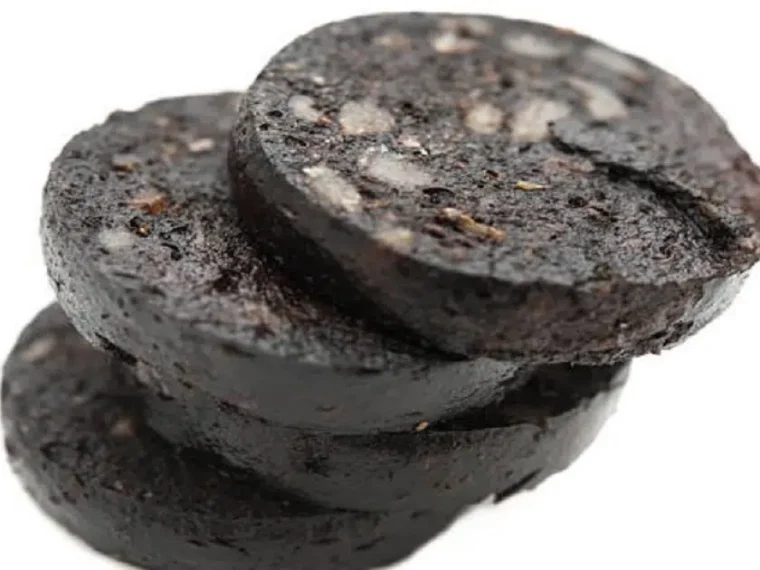
Let’s be straight up with each other: when the average person conjures up a breakfast, the following foods come to mind: crispy bacon, maybe eggs (if you’re a fan), toast (if that’s your thing), and then there’s that one random portion staring up at you on some plates just begging for investigation and thought: black pudding. The sausage that has a backstory before you even chew it. Half the table is leaning in to take a closer look, while the other half is leaning back like it’s some kind of feat.
But what is black pudding exactly? What is it made of? And why does it seem to have an air of controversy compared to, say, a normal breakfast sausage?
The Protein Component
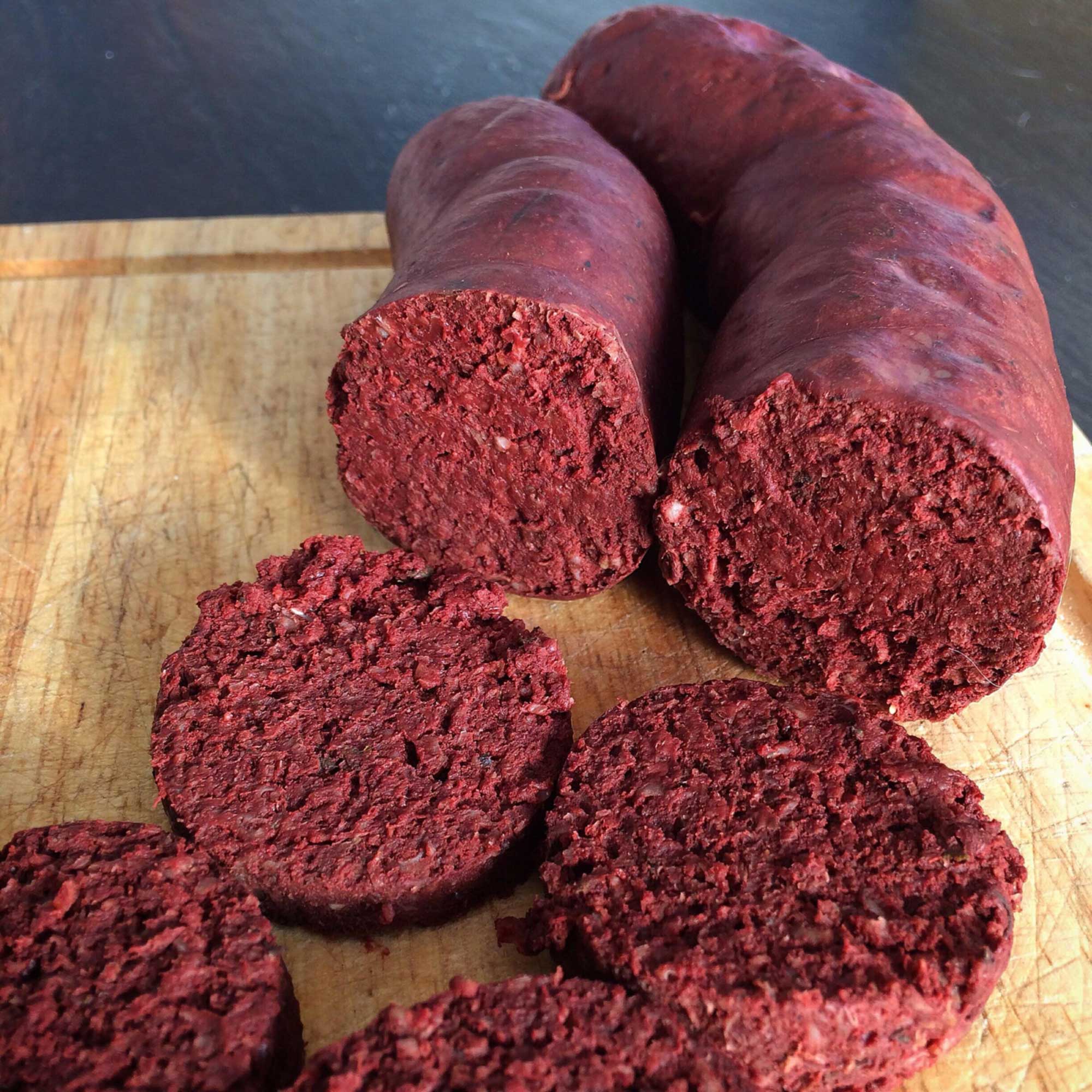
No use beating around the bush: black pudding is a blood sausage. That is the upshot. The main ingredient, as the name indicates, is blood, most often pig, sometimes cattle. But not blood straight from the ladle. The blood involved is dried blood, which helps to preserve it and gives it that deep, almost black color.
Along with that, there are two other fundamental components: fat and cereal. The fat is animal fat, often of pork origin, for richness, while cereals such as oatmeal or barley bulk it out and provide texture. It’s the cereals that create the substantiation, fullness, and helpfulness of the pudding. Perhaps this helps to minimize the vagueness of the idea. I mean, if you have eaten sausage before, the form of black pudding can’t be that different. It’s the idea of the blood.
More than the Basic Ingredient
Anyway, obviously, no sausage is complete without flavour. And this is where black pudding becomes obvious. Classic recipes usually use a selection of herbs and spices: nutmeg, cloves, marjoram, sometimes pennyroyal, though that one is a little rarer now. There are various adaptations from region to region. Consequently, the seasoning can range from subtly aromatic to a bit more pungent.
When seasoning is introduced, it changes the foundation (blood, fat, grain) into a layered and rich flavoring. It’s the kind of savory that goes well with eggs and fried bread. Cooking the base without the embellishments would yield something flat. With the seasoning, you have the foundation for the “full English” breakfast plate.
Natural Casings: The Unsettling Detail
Here’s where some people squirm: after the mixture is made, it is stuffed into casings. Traditionally, they have meant pig intestines. Yes, pig intestines. It might sound shocking if you’ve never considered how sausage is made. But it has been used for centuries as the practical, natural vessel for the filling. Intestine fillers have the advantage of being porous enough to allow steam to escape, while remaining strong enough to hold the shape of a sausage.
That isn’t just a black pudding thing, either. Bratwurst, chorizos, Italian sausages, a ton of sausages use the same process. It is one of those time-honoured techniques that has endured because it works. And once you have eaten it, you forget that you are eating it in the first place.
A Dish With History
continue reading in page 2