
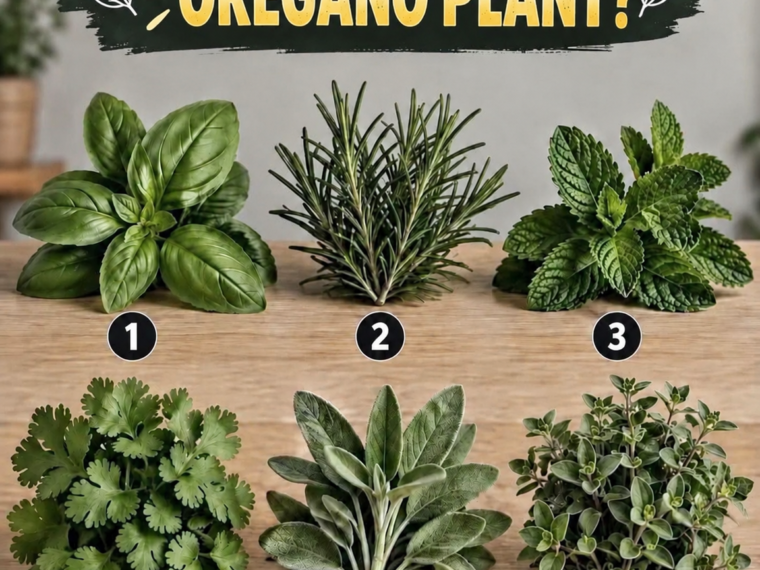
6. Oregano: The Aromatic Herb Used in Countless Savory Dishes
Oregano (Origanum vulgare) is the correct answer. It is a popular aromatic herb associated particularly with Mediterranean cuisine and is widely used in Italian and Greek-inspired recipes.
Oregano typically has small, oval-shaped leaves that grow in pairs along branching stems. Its leaves are usually green, sometimes slightly fuzzy, and may have gently rounded or subtly toothed edges. The plant often forms a compact, bushy shape, especially when grown in a pot or regularly trimmed.
One of oregano’s most important identifying features is its aroma. Fresh oregano has a warm, earthy, herbaceous fragrance, often with peppery and slightly bitter notes. Its flavor is generally more robust than that of basil and can become particularly concentrated when the leaves are dried.
Oregano is a favorite ingredient in tomato sauces, pizza, pasta, roasted vegetables, marinades, salad dressings, and Mediterranean-style seasoning blends. It also pairs well with garlic, lemon, tomatoes, and other aromatic herbs.
Both fresh and dried oregano can be used in cooking. Fresh oregano provides a more delicate, green flavor, while dried oregano tends to have a more concentrated taste. When using dried oregano, a small quantity is often enough to add a noticeable herbal character to a dish.
Oregano is also relatively easy to grow at home. It generally thrives in a sunny location with well-drained soil and benefits from regular trimming, which encourages fresh growth and helps maintain a compact shape.
In the image, plant number 6 is oregano. Its small, oval leaves and dense, branching growth help distinguish it from the other herbs. However, oregano can resemble other plants in the mint family, so leaf shape alone is not always sufficient for reliable identification.
How to Tell These Six Herbs Apart at a Glance
Although all six plants are aromatic herbs, a few simple visual clues can help you recognize them more easily.
- Basil: Broad, smooth, relatively glossy green leaves.
- Rosemary: Long, narrow, needle-like leaves on woody stems.
- Mint: Textured green leaves with noticeable serrated edges.
- Cilantro: Delicate, divided leaves with rounded, scalloped sections.
- Sage: Soft, velvety, gray-green leaves.
- Oregano: Small, oval leaves growing densely along branching stems.
Remember that these are general characteristics. Different varieties, growing conditions, and stages of development can affect the appearance of each plant.
Fresh Oregano vs. Dried Oregano: What’s the Difference?
Fresh and dried oregano come from the same herb, but they offer slightly different culinary experiences.
Fresh oregano has a greener, more delicate character. It works well in salads, fresh sauces, marinades, and dishes where a lighter herbal note is desirable.
Dried oregano has a more concentrated flavor because much of the water has been removed from the leaves. This makes it particularly convenient for seasoning tomato sauces, pizza, roasted vegetables, and dishes that cook for longer periods.
To preserve its flavor, dried oregano should be stored in an airtight container away from direct sunlight, heat, and moisture. Fresh oregano can be refrigerated for short-term storage or dried for later use.
When substituting one form for the other, remember that dried herbs are generally more concentrated than fresh herbs. Start with a smaller quantity of dried oregano and adjust according to taste.
Can You Grow Oregano at Home?
Yes! Oregano is a practical choice for a home herb garden, whether you have a large outdoor space, a balcony, or a sunny windowsill.
For healthy growth, choose a location that receives several hours of sunlight each day. Use well-drained soil and a pot with drainage holes to prevent excess water from accumulating around the roots.
Water the plant when the soil begins to dry rather than keeping it constantly wet. Oregano generally tolerates relatively dry conditions once established, although young plants need regular attention while developing.
Regularly harvesting small amounts of foliage can encourage branching and help the plant maintain a compact shape. If the plant becomes too large or leggy, trimming the stems can promote fresh growth.
Oregano can also produce small flowers, often in shades of pink, purple, or white, depending on the variety. These flowers can attract pollinators when the plant is grown outdoors.
If you want a convenient supply of fresh herbs for everyday cooking, growing oregano alongside basil, rosemary, mint, cilantro, and sage can be a useful way to create a small kitchen garden.
Why Is It Important to Identify Herbs Correctly?
Identifying herbs correctly is not only useful for cooking; it also helps you understand their different flavors, growing requirements, and culinary applications.
Using oregano instead of basil, for example, can give a tomato sauce a stronger, earthier flavor. Replacing rosemary with mint would create a very different result because the two herbs have almost opposite aromatic profiles.
Correct identification is particularly important when collecting plants from the wild. Some plants resemble familiar culinary herbs without being suitable for consumption. Never eat a wild plant based only on its appearance, and avoid relying on a photograph alone to establish its identity.
When buying herbs at a market, look at the leaf shape, texture, stem structure, and overall growth pattern. If possible, check the label or ask the seller to confirm the plant’s name.
Final Answer: Which Plant Is Oregano?
The answer is number 6.
In this image, oregano is the plant with small, oval-shaped leaves and a dense, bushy appearance. Basil has larger, smoother leaves; rosemary has needle-like foliage; mint has textured, serrated leaves; cilantro has delicate, divided leaves; and sage has soft, gray-green foliage.
Once you learn these basic differences, identifying common culinary herbs becomes much easier. With a little practice, you will be better equipped to recognize them at the market, grow them at home, and choose the right herb to bring out the best flavors in your favorite dishes.