
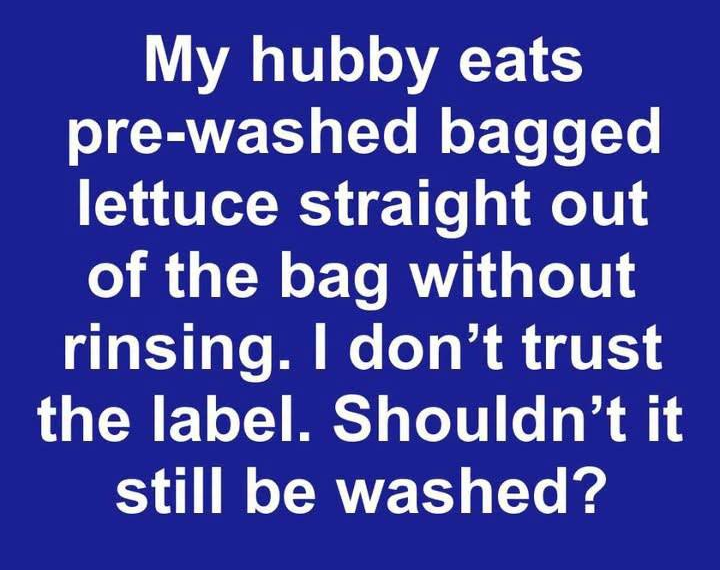
Another common concern is whether washing pre-washed lettuce again removes pesticide residues left behind during farming.
Washing certain fresh produce can help remove some surface residues, dirt, and contaminants, but its effectiveness varies depending on the substance and how it is attached to the plant.
Commercial washing is not a guarantee that every residue has been removed, either. Nevertheless, repeatedly rinsing ready-to-eat lettuce is not a reliable solution to every concern about agricultural chemicals.
Never use dish soap, household detergent, bleach, or ordinary household cleaning products on lettuce. These substances can leave residues that are unsafe to consume.
When Should You Wash Lettuce at Home?
Not every type of lettuce is ready to eat straight from its packaging.
<AsyncImage query=”whole fresh romaine lettuce head green leaves on wooden kitchen counter” aspectRatio=”16:9″ width=”100%”/>
If you buy a whole head of lettuce, loose lettuce leaves, or a product that does not say it has been washed, rinse the leaves thoroughly under clean, running water before eating.
Follow these simple steps:
- Wash your hands with soap and water before preparing the lettuce.
- Remove damaged, wilted, or visibly spoiled leaves.
- Rinse the leaves under running, drinkable water, gently rubbing their surfaces.
- Dry them with a clean paper towel or a clean salad spinner.
- Keep the lettuce separate from raw meat, poultry, seafood, and their juices.
Avoid soaking lettuce in a dirty sink or basin, where microorganisms can spread from one leaf to another.
For packaged lettuce labeled “ready-to-eat,” follow the manufacturer’s instructions instead of automatically repeating the washing process.
How to Store Bagged Lettuce Safely
Proper storage is just as important as washing.
<AsyncImage query=”transparent container of fresh green salad lettuce leaves stored on refrigerator shelf” aspectRatio=”16:9″ width=”100%”/>
Use these practical food-safety tips:
- Check the packaging: Avoid bags that are torn, leaking, swollen, or visibly damaged.
- Respect the use-by date: Do not rely on appearance alone to determine whether the product is safe.
- Keep it refrigerated: Store lettuce promptly at the temperature recommended on the package, ideally at or below 4°C.
- Avoid cross-contamination: Keep salad greens away from raw meat and seafood and their juices.
- Discard spoiled lettuce: Slimy leaves, visible mold, or an unpleasant smell are reasons to throw the product away.
- Follow recall notices: Do not consume products that have been recalled because of contamination.
Remember that harmful bacteria may be present even when lettuce looks and smells perfectly normal.
Who Should Be Especially Careful?
Foodborne infections can be more serious for pregnant women, young children, older adults, and people with weakened immune systems.
These individuals should pay particular attention to food recalls, refrigeration, package instructions, and the general safety of raw produce.
For people at increased risk, washing lettuce again is not a substitute for choosing safe products and following appropriate food-handling advice. When extra caution is needed, thoroughly cooked vegetables generally present a lower foodborne-infection risk than raw greens.
The Verdict: Trust the Label, but Handle Lettuce Properly
So, should you rinse pre-washed lettuce before eating it?
If the package clearly says “pre-washed,” “triple-washed,” or “ready-to-eat,” you can generally eat it straight from the bag. This is consistent with FDA guidance, and an additional rinse is not routinely necessary.
If you prefer to rinse it anyway, use clean, drinkable water and make sure your hands, utensils, colander, and preparation surfaces are clean to minimize cross-contamination.
For whole or explicitly unwashed lettuce, rinse the leaves thoroughly before eating.
Ultimately, the safest approach is not to wash every product repeatedly. It is to understand the label, maintain proper refrigeration, prevent cross-contamination, and discard spoiled or recalled products.
That way, you can enjoy the convenience of bagged lettuce while making informed choices about food safety.


