

The convenience of frozen berries makes them a popular choice for smoothies, desserts, and snacks. However, a common debate arises in many households: should frozen berries be rinsed before use?
In my corner of the Midwest, where a deep freezer in the mudroom is just as common as a pie safe used to be, questions like this feel practical rather than fussy. Some folks assume the freezing process takes care of everything, while others prefer the old habit of giving fruit a good rinse before it goes into the bowl or blender. This article takes a closer look at what freezing really does, and what it does not do, when it comes to food safety.
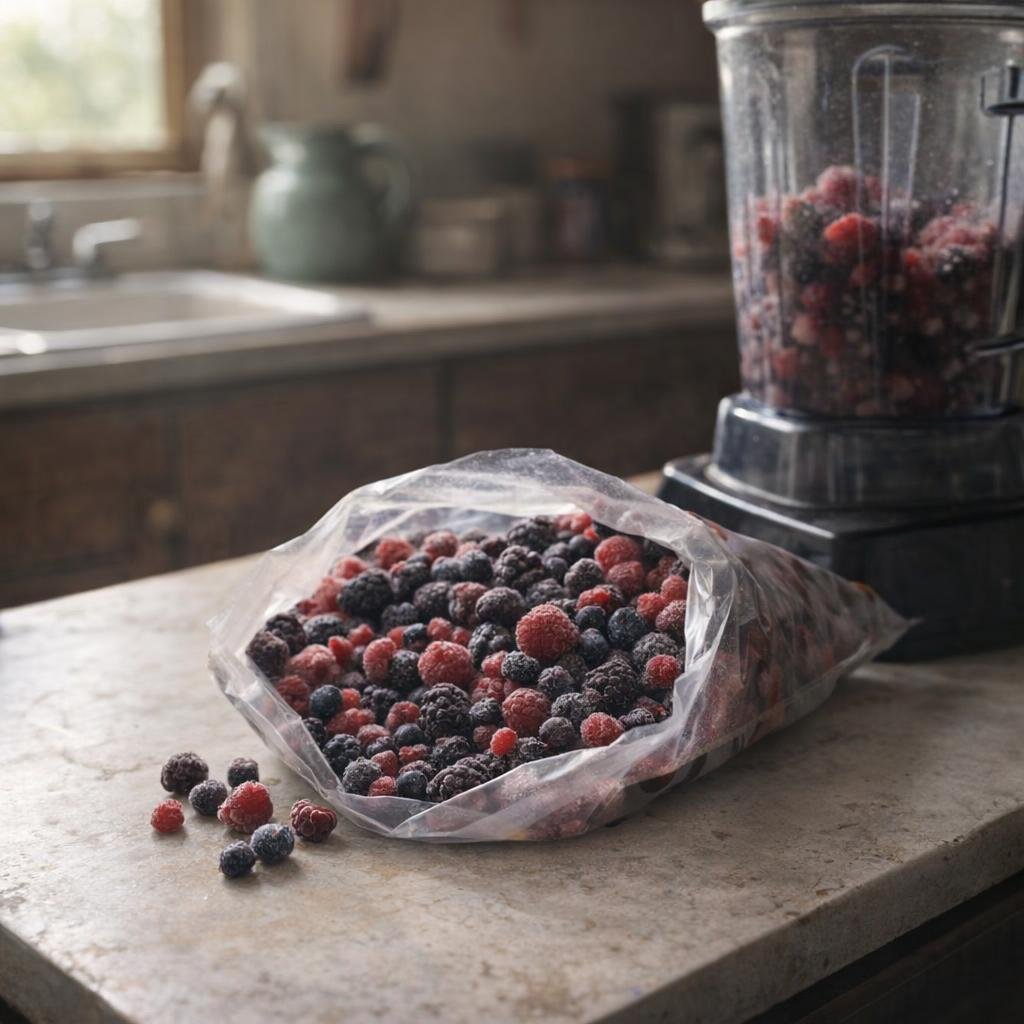
Understanding the Freezing Process
Freezing is a preservation method that extends the shelf life of fruits by slowing down the activity of microorganisms and enzymes that cause spoilage. When berries are frozen, the water inside their cells forms ice crystals, which can inhibit the growth of bacteria, yeasts, and molds.
However, freezing does not sterilize food; it merely puts bacteria in a dormant state until the food is thawed. That is an important distinction, and one worth remembering anytime you pull out a bag of berries for a quick breakfast smoothie or a cobbler on a busy afternoon.

Does Freezing Kill Bacteria?
While freezing can reduce the number of bacteria present on food, it does not kill all bacteria. Some pathogens, such as Listeria monocytogenes, can survive freezing temperatures and become active again once the food is thawed.
Therefore, relying solely on freezing to ensure the safety of berries is not foolproof. In plain terms, the cold helps pause trouble, but it does not always end it. It’s important to consider other food safety measures to minimize the risk of foodborne illness.
The Importance of Washing Fruits
continue reading in page 2