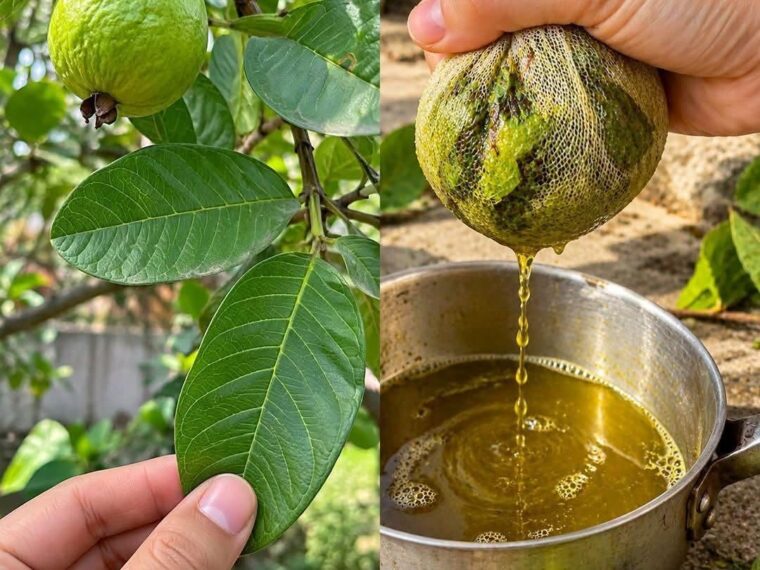
| Metric | Specification |
| Recipe Name | Traditional Restorative Guava Leaf Tea |
| Formulation Type | Herbal Decoction (Fresh Leaves) / Hot Infusion (Dried Leaves) |
| Skill Intensity | Beginner (Harvesting/inspecting, washing, and gentle simmering) |
| Thermal Intensity | Staged Heat: Medium-High Boil Burst (212°F / 100°C), Low Simmer (185°F–190°F / 85°C–88°C), Off-Heat Steep |
| Prep Time | 5 minutes |
| Simmer & Decoction Time | 10 minutes |
| Steeping & Extraction Time | 5 minutes (covered, off heat) |
| Total Active Time | ~20 minutes |
| Yield | 4 servings (approx. 8 oz / 240 ml per cup; makes 1 quart total) |
Kitchen Equipment
- Medium heavy-bottomed stainless steel, glass, or ceramic-lined saucepan (avoid unlined aluminum or cast iron, which can interact with tannins)
- Fine-mesh stainless steel strainer or tea infuser
- Cutting board and chef’s knife
- Heatproof glass pitcher or ceramic teapot
- Measuring cups and spoons
Ingredients
The Herbal Core:
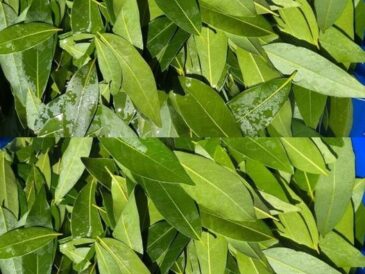
- 8 to 10 fresh, young Guava Leaves (or 2 tbsp dried crushed guava leaves): Opt for bright green, vibrant young leaves near the shoot tips, as they contain higher polyphenol concentrations and less woody fiber than older, tough leaves.
- 4 cups (1 liter) Filtered Water: Spring or filtered water provides a clean canvas without chlorine or harsh tap minerals that can cloud herbal teas.
Optional Aromatics & Balancers:
- 1 small Cinnamon Stick (Ceylon preferred): Adds gentle woody warmth that complements the green notes of the leaf.
- 1/2-inch knob Fresh Ginger, sliced thin: Imparts mild heat and supports digestive comfort.
- 1 to 2 tsp Fresh Lemon Juice: Brightens the brew and enhances the bioavailability of tea catechins.
- 1 to 2 tsp Raw Honey, Pure Maple Syrup, or Stevia (optional): To soften natural astringency to taste.
Three Crucial Rules for Brewing Guava Leaf Tea
- Scrub and Clean Thoroughly: Because guava leaves grow outdoors and have a subtle waxy cuticle, they easily collect ambient dust, garden soil, and micro-debris. Submerge fresh leaves in a bowl of cool water with a splash of white vinegar for 2 minutes, then rinse each leaf under running water and pat dry before brewing.
- Bruise the Leaves Before Simmering: Gently tear or crush the clean leaves in your hands before dropping them into the hot water. Breaking the cuticle and cell walls allows the essential oils, phenolic acids, and flavonoids to infuse rapidly into the water rather than remaining trapped inside the leaf structure.
- Always Keep the Pot Covered: Essential aromatic oils in herbal leaves are volatile and easily evaporate into the air with escaping steam. Keeping a tight lid on your pot during both the low-temperature simmer and the off-heat steep traps these beneficial aromatics, condensing them back into your cup.
Step-by-Step Instructions
CONTINUE READING IN PAGE 2
Pages: 1 2