
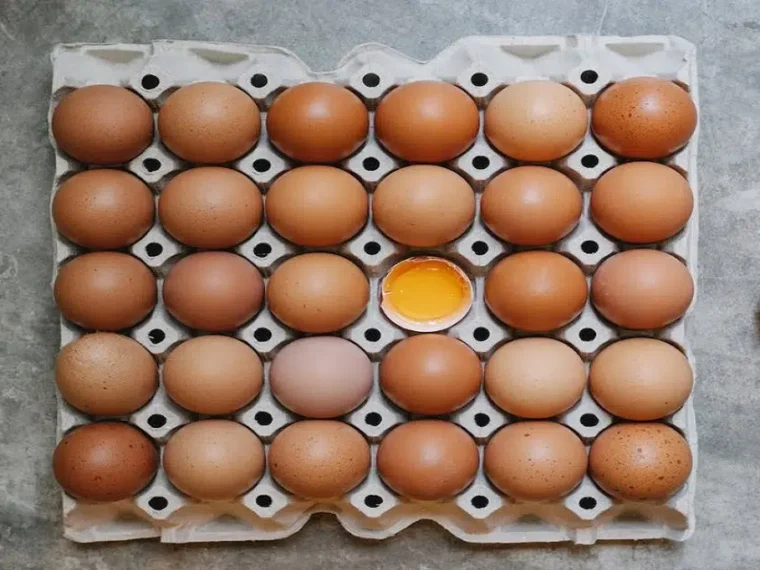
Have you ever pulled a carton of eggs out of the refrigerator, started making breakfast, and then realized hours later that you forgot to put them back?
You’re not alone.
It’s one of the most common kitchen mistakes, and it leaves many people wondering the same thing: Are the eggs still safe to eat, or should they be thrown away?
Eggs are one of the most versatile foods you can buy. Whether you’re scrambling them for breakfast, baking a cake, making homemade mayonnaise, preparing pasta, or whipping up a batch of cookies, chances are you always have a carton sitting in your refrigerator.
But despite being such a kitchen staple, eggs are also one of the foods that require careful handling. Improper storage can increase the risk of harmful bacteria like Salmonella, one of the leading causes of foodborne illness around the world.
Fortunately, keeping eggs safe isn’t complicated once you understand how they should be stored and why refrigeration matters.
Here’s everything you need to know.
Why Do Eggs Need to Be Refrigerated?
Many people are surprised to learn that the answer depends on where you live.
In countries like the United States, eggs sold in grocery stores are washed, sanitized, and refrigerated before reaching consumers. This process removes dirt and bacteria from the shell but also strips away the egg’s natural protective coating, known as the cuticle.
Without that protective layer, bacteria can more easily enter through the shell if eggs are left at warm temperatures.
That’s why the U.S. Food and Drug Administration (FDA) recommends keeping eggs refrigerated at 40°F (4°C) or below from the moment they’re purchased until they’re used.
Keeping eggs consistently cold dramatically slows bacterial growth and helps preserve freshness.
What Happens If Eggs Sit Out?
Once refrigerated eggs are left on the kitchen counter, condensation begins forming on the shell as they warm up.
That moisture can make it easier for bacteria to move through the shell.
If harmful bacteria such as Salmonella are present, they can begin multiplying much more quickly at room temperature.
The so-called “danger zone” for bacterial growth is between 40°F and 140°F (4°C to 60°C).
Within this temperature range, bacteria can multiply rapidly, increasing the risk of food poisoning.
So, How Long Can Eggs Sit Out?
According to food safety recommendations, refrigerated eggs should not be left at room temperature for more than two hours.
If the room temperature exceeds 90°F (32°C)—for example during a hot summer day, outdoor picnic, or barbecue—the limit drops to just one hour.
After that, it’s safest to discard them.
While the eggs may still look and smell perfectly normal, harmful bacteria cannot be seen, smelled, or tasted.
Can You Put Eggs Back in the Refrigerator?
Many people think it’s fine to simply refrigerate eggs again after they’ve been sitting out.
Unfortunately, if eggs have remained at room temperature beyond the recommended time, putting them back in the refrigerator doesn’t eliminate bacteria that may already have multiplied.
Refrigeration slows bacterial growth—it doesn’t reverse it.
If you’re unsure how long the eggs were sitting out, it’s generally better to err on the side of caution.
Replacing a carton of eggs is far less costly than dealing with a serious case of food poisoning.
Why Salmonella Is Taken So Seriously
Salmonella is a type of bacteria that can contaminate eggs before the shell even forms inside the hen.
That’s why perfectly clean-looking eggs can still carry bacteria.
For most healthy adults, salmonella infection causes symptoms such as:
- Diarrhea
- Fever
- Stomach cramps
- Nausea
- Vomiting
- Headache
- Chills
- Dehydration
Symptoms usually begin between 6 hours and 6 days after consuming contaminated food.
Most people recover within a week, but severe infections may require medical treatment, hospitalization, or intravenous fluids.
Young children, older adults, pregnant women, and people with weakened immune systems face the greatest risk of serious complications.
Signs Eggs Have Gone Bad
Although bacteria aren’t always visible, spoiled eggs sometimes give obvious warning signs.
Throw eggs away if you notice:
- A cracked shell
- Leaking contents
- Mold
- An unpleasant sulfur smell
- Slimy texture
- Strange discoloration
If an egg smells bad after cracking it open, don’t taste it.
Simply discard it immediately.
Does the Float Test Really Work?
continue la lecture dans la page 2