
The world we live in is full of incredible and fascinating species. It’s fascinating to see how different organisms interact with each other and adapt to their surroundings in order to survive and maintain a balanced ecosystem.
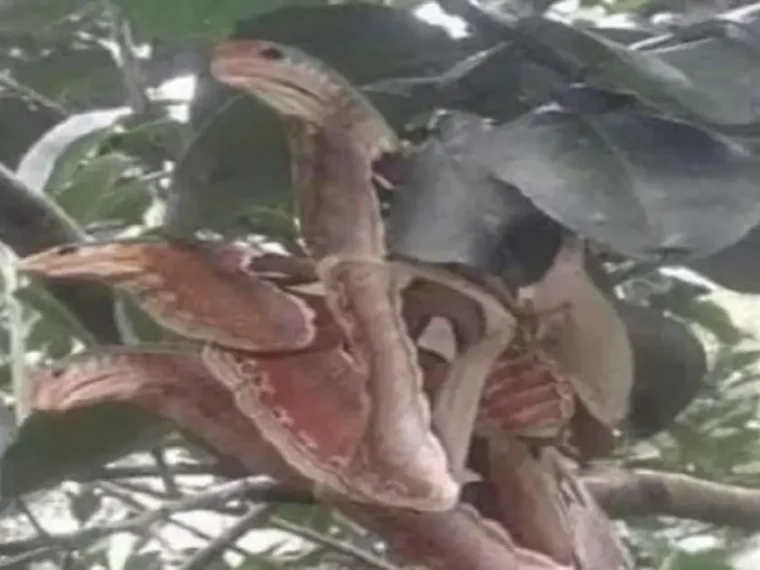
Recently, there were some pictures circulating online that caught our attention. They showed what appeared to be three angry snakes hiding in a tree. These images were quite unsettling, as even one snake in a tree can be scary. However, it turns out that these pictures were not actually of snakes at all. They were something entirely different.
The incredible variety of species found in nature, known as biodiversity, is truly amazing. Each species has a specific role to play in its environment. There are also many remarkable adaptations and survival techniques that animals and plants have developed over time.
For example, some insects have evolved colors that allow them to blend in with their surroundings and avoid being eaten by predators. Others have developed toxic compounds to defend themselves.
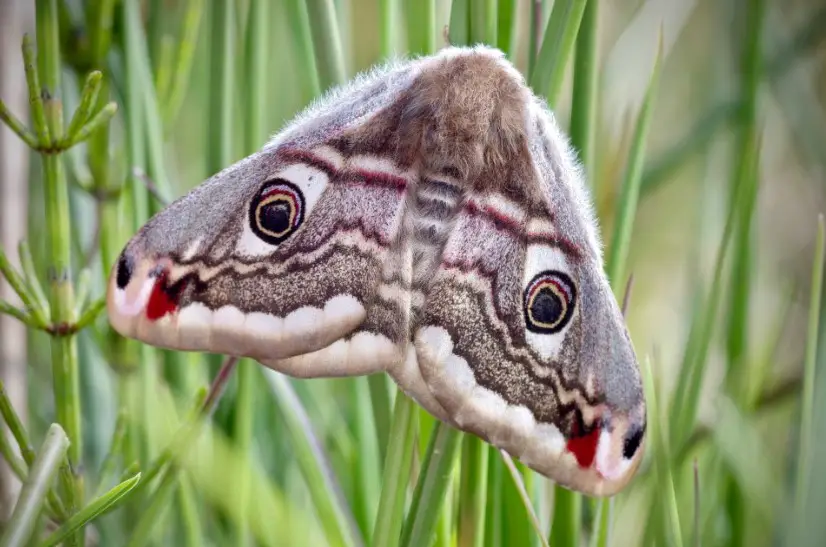
The story behind the pictures of the “angry snakes” is quite interesting. In 2021, a Twitter user named Rob Allam posted an image that seemed to show three snakes with angry expressions in a tree. However, upon closer inspection, people realized that it was a bit more complicated than that. The so-called snakes were actually parts of the wings from two different species of the Atlas moth, creating an optical illusion.
The Atlas moth is a remarkable species found in the jungles of Asia. It is one of the largest species of butterflies, with a wingspan that can reach up to 24 cm (9.4 in) and a wing surface area of over 160 cm2..
During its adult stage, the Atlas moth only lives for about two weeks. Its main goal during this time is to lay eggs and protect them until they hatch. To accomplish this, the moth camouflages itself to resemble a snake.
When the images of the “snakes” started circulating online, many social media users found it hard to believe that they were actually looking at a moth.
Contrary to what many people think, Atlas moths are not strong flyers. They prefer to rest during the day and become active at night to conserve their energy. When they sense danger, they have a clever defense strategy. They will drop to the ground, wriggle around, and flap their wings in a way that resembles the head of a snake.
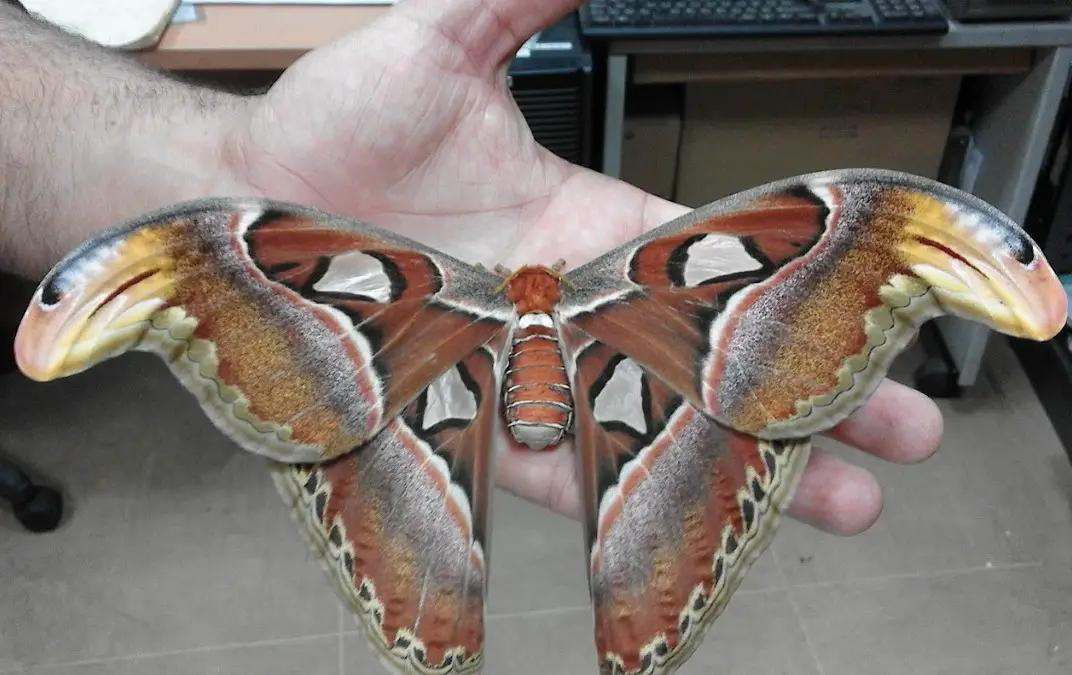
To see the amazing Atlas moth up close, it’s probably necessary to go to the lush forests of Asia. However, there have been some reported sightings of Atlas moths in other parts of the world, including Europe and the United States.
continue reading in page 2