6. Simple Ways To Rake, Sweep, and Collect Them Efficiently
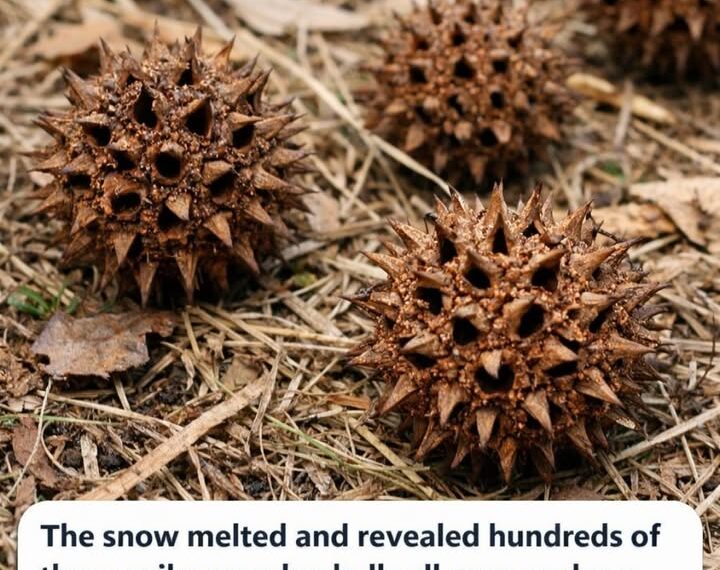
Collecting sweetgum balls can be labor-intensive, but there are strategies to make the process easier. Using a sturdy rake with closely spaced tines can help gather the pods without leaving many behind. For larger areas, a lawn sweeper, which is a device that attaches to a lawn tractor or can be pushed manually, can efficiently collect the pods in bulk.
It’s best to tackle the collection after a rain when the pods are slightly softer and less likely to roll away. Regular maintenance, such as removing pods weekly, can prevent a large build-up and make the task more manageable.
7. Smart Tools and DIY Hacks To Make Cleanup Less Miserable
Several tools and techniques can aid in sweetgum ball cleanup. A specialized tool known as a nut gatherer or nut roller can pick up pods easily by rolling over them, trapping them in a wire basket. A shop vacuum with a strong suction capability can also be used for small areas.
For a DIY approach, attaching a piece of hardware cloth or chicken wire to a rake can help in catching more pods with each pass. Additionally, spreading a tarp under the tree before the pods fall can simplify collection, as you can simply gather the tarp and dispose of the pods.
8. Creative Uses for Sweetgum Balls in Crafts and Décor
While sweetgum balls are often seen as a nuisance, they can also be a resource for creative projects. Their unique appearance makes them ideal for crafting decorations such as wreaths, ornaments, or table centerpieces. Painting the pods in festive colors can transform them into holiday decorations.
Additionally, sweetgum balls can be used in garden projects. They can be spread around flower beds as a decorative mulch, adding texture and interest. With a bit of creativity, these pods can be repurposed in a variety of ways.
9. Can You Compost or Mulch These Hard, Spiky Pods?
Composting sweetgum balls is possible, but it requires patience. Due to their hard, woody nature, they decompose slowly and should be shredded or crushed before adding them to a compost pile to speed up the process. It’s best to mix them with other organic materials to balance the compost.
As mulch, sweetgum balls can be used to deter pests due to their spiky nature. However, they should be spread in areas where people and pets won’t frequently walk, as the spikes can be uncomfortable underfoot. Over time, they will break down and enrich the soil.
10. Long-Term Solutions: Trimming, Tree Removal, and Planting Alternatives
For those looking to reduce the presence of sweetgum balls in the long term, several strategies are available. Regular pruning of the tree can help limit the number of pods produced, though this requires consistent effort and care.
In some cases, removing the tree might be the best option, especially if it’s causing significant maintenance challenges. For those who wish to replace the tree, consider planting alternatives such as oak or maple trees, which offer similar aesthetic benefits without the spiky seed pods.
11. When To Call an Arborist About Your Sweetgum Tree Problem
If managing sweetgum balls becomes overwhelming, it might be time to consult a professional arborist. An arborist can provide expert advice on tree health, pruning techniques, or removal options. They can also assess the tree for any signs of disease or structural issues.
Arborists can help develop a maintenance plan tailored to your specific situation, ensuring that the sweetgum tree contributes positively to your landscape rather than becoming a persistent headache. Professional guidance can make all the difference in maintaining a harmonious and beautiful yard.