
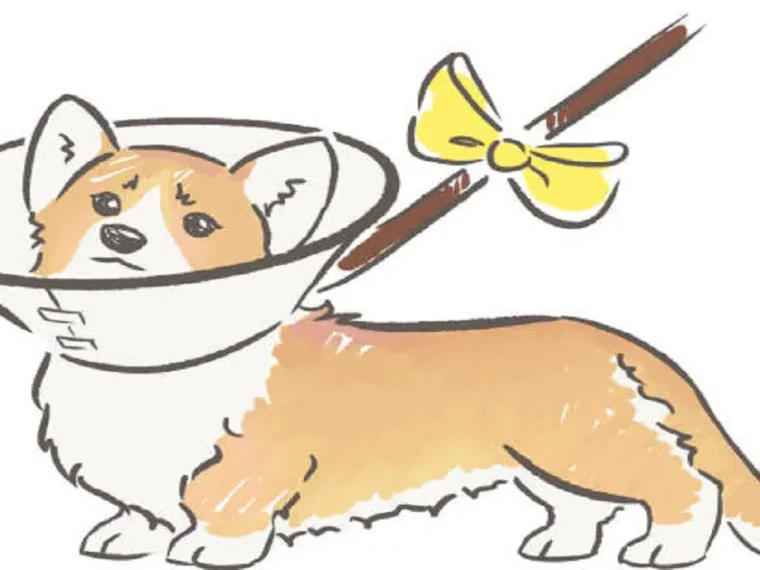
Fortunately, the answer is simple.
Keep Your Distance
Avoid walking directly toward the dog.
Cross the path if possible or simply leave several feet between you and the dog.
A little extra space goes a long way.
Always Ask Before Petting
Even without a yellow ribbon, you should never assume a dog wants attention.
Ask the owner first.
If they say no, simply smile and continue walking.
Responsible owners appreciate people who respect boundaries.
Keep Your Own Dog Under Control
If you’re walking your own dog, shorten the leash and prevent them from rushing over.
Even friendly dogs can overwhelm a nervous one.
Remember, “He’s friendly!” isn’t always helpful if the other dog isn’t ready to socialize.
Watch the Dog’s Body Language
Dogs constantly communicate through subtle signals.
Signs of stress may include:
- Lip licking
- Yawning
- Looking away
- Tail tucked underneath
- Stiff posture
- Ears pinned back
- Whale eye (showing the whites of the eyes)
- Excessive panting
- Shaking
- Trying to hide behind the owner
Recognizing these signals helps prevent misunderstandings.
Respect the Owner’s Decision
If an owner says:
“He’s in training.”
“She’s nervous.”
“We’re working on socialization.”
or simply
“Please don’t pet him.”
Respect that answer without taking it personally.
They’re advocating for their dog’s well-being.
Teaching Children About Yellow Ribbons
Children naturally love dogs, but this is a wonderful opportunity to teach respect for animals.
Explain that some dogs feel shy just like some people do.
Teach children to:
- Never run toward unfamiliar dogs.
- Never hug a strange dog.
- Ask permission before petting.
- Wait patiently for the owner’s response.
- Accept “no” politely.
These habits reduce the risk of dog bites while helping children develop empathy.
Can You Use a Yellow Ribbon for Your Own Dog?
Absolutely.
Many owners choose to use one if their dog:
- Gets overwhelmed easily
- Is recovering from illness
- Is elderly
- Is fearful
- Is reactive
- Is in training
- Has recently been rescued
- Is learning leash manners
You don’t need expensive equipment.
A yellow ribbon tied securely to a leash, collar, or harness usually communicates the message clearly.
Many pet stores also sell yellow bandanas, leashes, and harnesses specifically designed for dogs that need space.
Other Ways Owners Communicate
The yellow ribbon isn’t the only visual signal used by dog owners.
You may also notice:
- Vests that say “Do Not Pet”
- Harnesses labeled “In Training”
- Leashes marked “Needs Space”
- “Nervous Dog” patches
- “Service Dog” identification
These tools all serve the same purpose: preventing stressful interactions before they happen.
Why Respecting the Yellow Ribbon Matters
When people ignore the ribbon, several things can happen.
A nervous dog may become frightened.
A dog in training may lose focus.
A recovering dog may experience pain.
An owner may feel anxious trying to protect their pet.
But when people understand the message, everyone benefits.
Dogs remain calmer.
Owners feel supported.
Walks become more enjoyable.
Communities become safer.
Sometimes the smallest acts of kindness—simply giving a dog a few extra feet of space—can make a tremendous difference.
Frequently Asked Questions
Does every yellow ribbon mean the same thing?
Generally, yes. It indicates that the dog needs additional space, although the exact reason varies from one dog to another.
Can friendly dogs wear yellow ribbons?
Absolutely. Many friendly dogs wear them while recovering from surgery, participating in training classes, or adjusting to new environments.
Should I let my dog greet a yellow-ribbon dog?
Unless the owner specifically invites the interaction, it’s best to avoid dog-to-dog greetings.
Is the Yellow Dog Project recognized everywhere?
While awareness continues to grow internationally, not everyone recognizes the symbol yet. That’s why articles like this help educate more pet owners and dog lovers.
Final Thoughts
At first glance, a yellow ribbon may seem like a simple decoration. In reality, it’s a quiet form of communication that helps dogs and people coexist more safely.
Whether a dog is recovering from surgery, working through anxiety, learning new skills, or simply having an off day, respecting that ribbon shows compassion and understanding.
The next time you see a dog wearing yellow, pause for a moment before approaching. Give them the space they’re asking for, smile at the owner, and continue on your way.
That small gesture could make the difference between a stressful encounter and a peaceful walk.
After all, responsible pet ownership isn’t just about caring for our own dogs—it’s also about respecting the needs of everyone else’s.