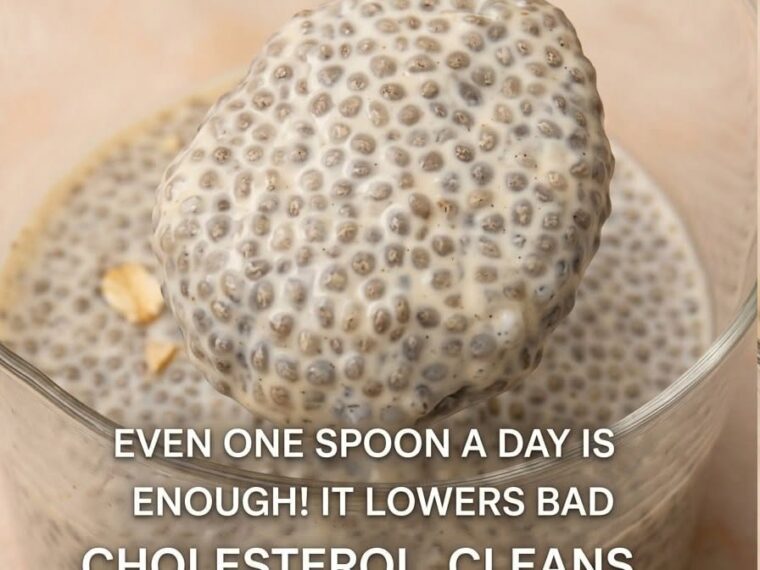
Approximate values for one serving made with 2 tablespoons of chia seeds and ½ cup of whole milk, without sweetener or toppings.
| Nutrient | Approximate amount |
|---|---|
| Calories | 175–190 kcal |
| Protein | 7 g |
| Fiber | 8 g |
| Fat | 9 g |
| Carbohydrates | 16 g |
| Calcium | 250–300 mg |
Actual values vary according to the milk and ingredients used.
Tips for the Best Chia Pudding
- Adjust the consistency: Add a little more milk for a thinner pudding or more chia seeds for a thicker texture.
- Skip added sugar: Vanilla and ripe bananas can provide plenty of sweetness naturally.
- Add vitamin C: Strawberries, kiwi or oranges make refreshing toppings.
- Increase protein: Add Greek yogurt or serve alongside nuts.
- Store safely: Keep covered in the refrigerator and consume within about 3–4 days.
A quick health note: Chia pudding is nutritious, but it is not an iron-rich treatment for anemia. If you are trying to improve iron levels, pair it with iron-rich foods and vitamin C elsewhere in your diet.
Frequently Asked Questions
Can I eat chia seed pudding every day?
Yes, most people can enjoy it daily as part of a varied diet. Start with a modest serving if you’re not used to eating much fiber, and drink enough fluids.
Can I make it without sugar?
Absolutely. Vanilla extract and fresh fruit can add flavor without needing added sugar.
Is chia pudding good for weight management?
Its fiber and fat can help with fullness, but the calories depend on portion size, milk, sweeteners and toppings.
Can I eat it while breastfeeding?
Yes, chia seeds and ordinary food ingredients used in this recipe are generally compatible with breastfeeding. The pudding can contribute useful calories, fiber and nutrients, but it should complement a varied diet rather than replace meals.
Enjoy your creamy vanilla chia pudding as a simple, make-ahead breakfast!