Knowing when broccoli goes bad usually starts with a small moment of doubt at the fridge. Mine came a few weeks back, digging around the crisper for something else entirely and finding a half-forgotten bag shoved to the very back. I did the classic move: squint at it, give it a cautious sniff, poke the stem. Was it fine? Kind of borderline. The good news is that broccoli is honest. It sends clear signals before it’s truly done for. Four things tell you almost everything you need to know: color, smell, texture, and mold. Learn those and you’ll rarely toss a good head or eat a bad one.
The Color Change: Yellow, Then Brown
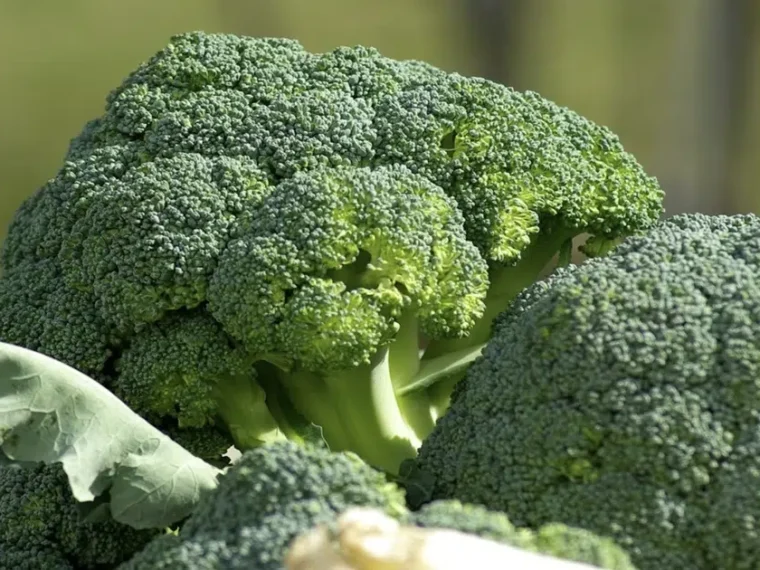
Fresh broccoli is deep, confident green. That’s your baseline. The first sign it’s slipping past its prime is yellowing florets, where the tight green buds start fading to a pale, sickly tawny color.
A little yellowing doesn’t automatically mean the trash. It usually means quality is dropping. The flavor fades and can turn bitter, so it’s a use-it-soon nudge rather than a hard stop. I’ll still roast lightly yellowing broccoli if that’s the only thing off about it.
Brownish or blackish spots on the florets are a further stage of decline. Small, scattered discoloration is different from widespread change. If just a corner looks off, you can often trim it and cook the rest. But when the yellow and brown spread across most of the head, especially alongside a soft stem or a funky smell, that’s your cue to let it go.
The Smell Test (Trust Your Nose)
Your nose is honestly the most reliable tool here. Fresh broccoli smells faintly grassy, almost neutral. Nothing dramatic.
Broccoli that has gone bad develops a strong, sulfurous, unpleasant odor. Think eggy and sour, the kind of smell that makes you pull your head back a little. If you get that, it’s a clear toss signal even if the color still looks acceptable.
Here’s the practical tip I lean on: give it a sniff before you cook, not after. Heat concentrates that sulfur smell, so a head that seems only mildly off raw can turn genuinely awful once it hits a hot pan. Ten seconds of sniffing at the counter saves a ruined dinner.
Texture Clues: Soft Stems and Slimy Florets
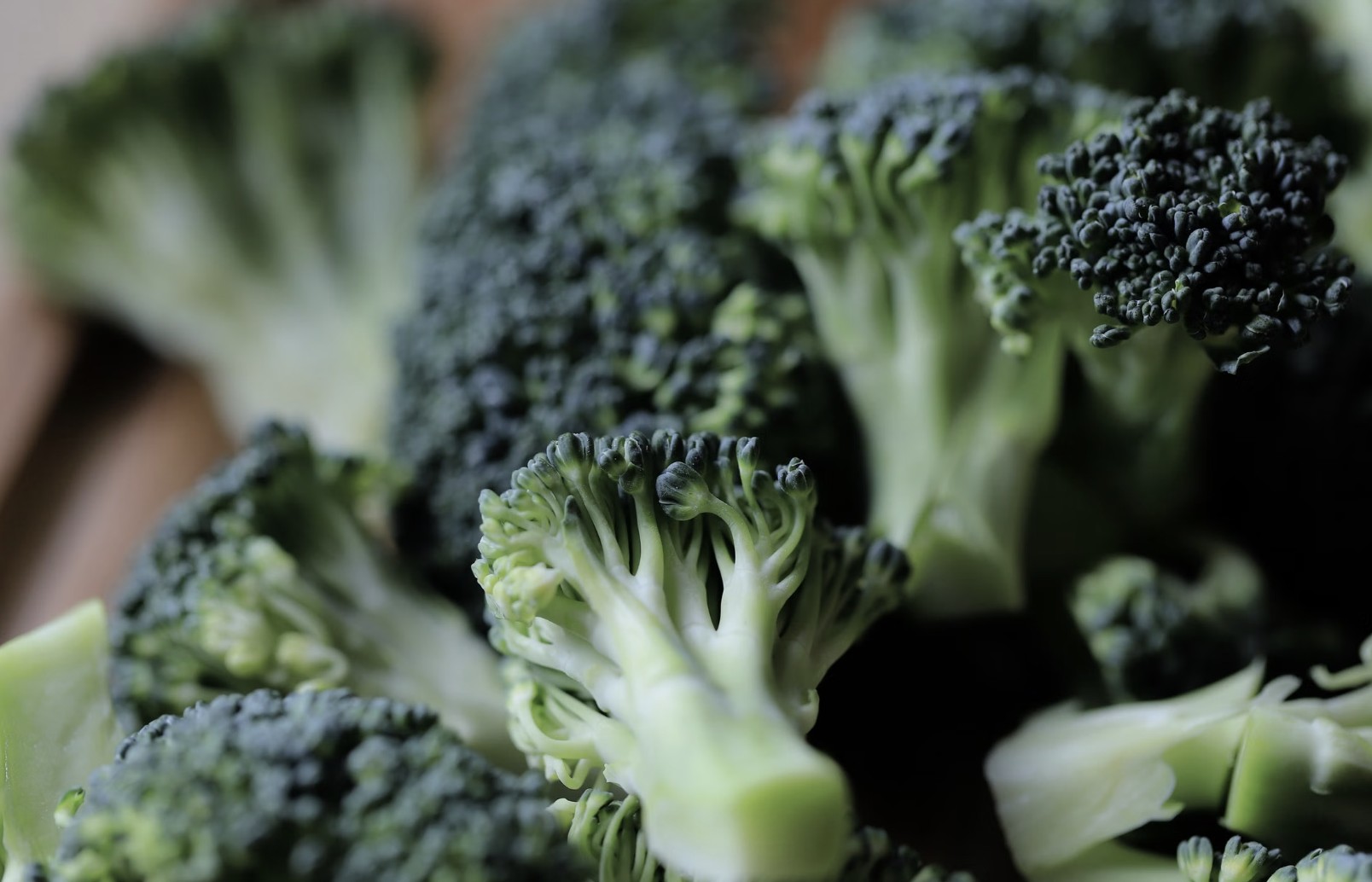
Grab the stalk and squeeze. A firm, sturdy stem means the broccoli is still in good shape. A soft, limp, or rubbery stem tells you spoilage is starting to set in.
Check the cut end too. As broccoli ages, the cut end of the stalk goes dry, looking parched, whitish, or cracked. On its own that’s just a sign of age, not danger, and a fresh trim off the bottom often helps.
Slime is the deal-breaker. If the florets feel filmy or slippery, that’s bacterial breakdown, and no amount of rinsing fixes it. Throw it out.
So how much softness is recoverable? Slightly limp broccoli that still smells fine can often be revived. Drop the stalks into a bowl of ice water for 20 to 30 minutes and the florets perk back up as they rehydrate. Slimy broccoli cannot be saved that way, and you shouldn’t try.
Mold Means…
continue reading in page 2