Mold Means Toss It
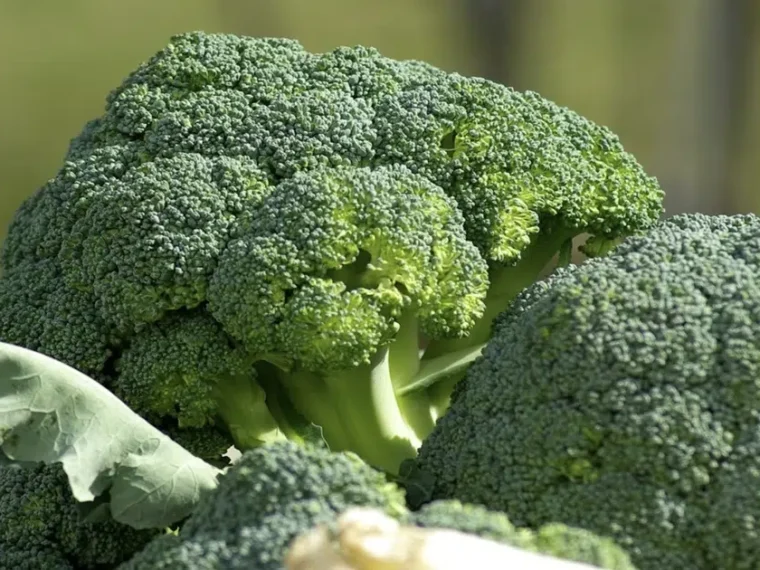
White, black, or fuzzy patches are mold, plain and simple. When you see fuzz on broccoli, discard the whole head, not just the visible spot. Broccoli is soft and holds a lot of moisture, so mold spreads through it in ways you can’t see. Cutting the fuzzy bit off the way you might with a hard cheese doesn’t make the rest safe.
Don’t confuse mold with a harmless pale bloom or plain discoloration that isn’t fuzzy. Real mold has texture and lift to it. When you genuinely can’t tell, the old rule holds up: when in doubt, throw it out.
How Long Broccoli Lasts and How to Store It
Raw broccoli keeps roughly three to five days in the crisper drawer. Cooked broccoli lasts a few days in an airtight container in the fridge. If you want months instead of days, freezing is the move, but blanch it first so it keeps its color and texture.
Storage that actually buys you time comes down to airflow. Raw broccoli wants a little breathing room, not a tight seal. Sealing it airtight traps moisture and speeds up the slimy decline.
My own habit is to wrap the head loosely, either in a paper towel inside an unsealed bag or just tucked into the crisper without cinching anything shut. Keep it dry too. Washing broccoli before storage tends to invite that early slime, so I rinse right before cooking instead. Same principle I use for other quick-spoiling produce, like knowing when bagged lettuce is past fresh.

Making the Final Call
Weigh the signs together. One minor issue, a little yellow or a slightly limp stalk, usually just means eat it soon. Stack that with a sour smell, slime, or fuzzy mold, and it’s trash-bound with no debate.
Honestly, the whole check takes about ten seconds at the sink: a quick sniff, a squeeze of the stem, a glance at the florets. Do that before you cook and you’ll almost never guess wrong.